Understanding Flocculation in Microbiology: A Comprehensive Guide
Flocculation is a fascinating process in the field of microbiology that plays a crucial role in both natural ecosystems and industrial applications. This article delves into the definition of flocculation, its mechanisms, and its significance in various contexts. Read on to discover why flocculation is an essential concept in microbiology.
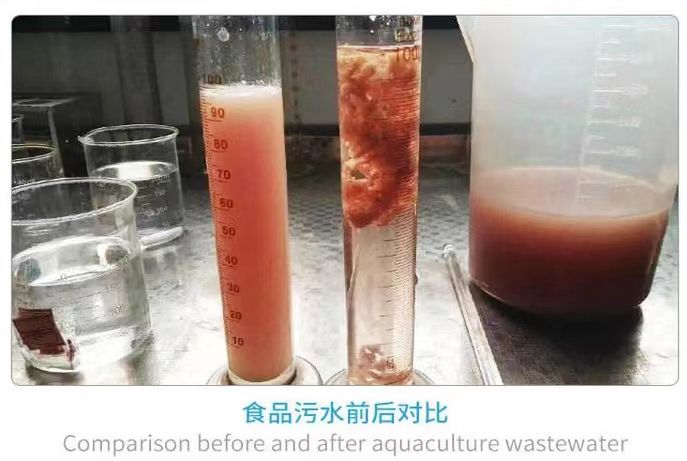
What is Flocculation?
In microbiology, flocculation refers to the process where individual particles or microorganisms aggregate to form a floc, which is a loosely clumped mass. This aggregation is often facilitated by the addition of a flocculant, a substance that promotes the clumping of particles. Flocculation is a crucial step in the treatment of wastewater and the clarification of drinking water, as it helps to remove suspended solids and microorganisms from the liquid.

Mechanisms of Flocculation
Flocculation occurs through several mechanisms, including charge neutralization and bridging. Charge neutralization involves the reduction of the repulsive forces between particles, allowing them to come together. Bridging occurs when a flocculant forms a bridge between particles, enhancing the formation of flocs. These mechanisms are essential in achieving efficient flocculation, especially in industrial processes.
Importance of Flocculation in Microbiology
In microbiology, flocculation is significant for several reasons. It aids in the efficient separation of microorganisms in fermentation processes, enhancing product recovery. Flocculation is also vital in the bioremediation of contaminated environments, where it assists in aggregating and removing pollutants. Furthermore, flocculation contributes to the stability of microbial communities in natural ecosystems, playing a role in nutrient cycling and water purification.
Applications of Flocculation in Industry
Flocculation has wide-ranging applications in various industries. In the water treatment industry, it is used to clarify water by removing suspended solids and pathogens. The brewing industry relies on flocculation to clarify beer and enhance its stability. In the paper industry, flocculation aids in the deinking process and improves paper quality. These applications highlight the versatility and significance of flocculation in industrial processes.
In conclusion, flocculation is a critical concept in microbiology with diverse applications in both natural and industrial settings. Understanding the mechanisms and significance of flocculation can lead to improved processes in water treatment, brewing, and beyond. As research continues, the role of flocculation in microbiology will likely expand, offering new opportunities for innovation and efficiency.
“`About the Author